Penser la révolution II – La New Media Theory
Introduction
Structure de la présentation
- Questions de définition : Les nouveaux médias
- Aperçu de la discipline
- Historique
- Quelques enjeux
Que sont les nouveaux médias ?
Huits caractéristiques de l'écosystème des nouveaux médias selon Jenkins
- Convergent
- Innovant
- Quotidien
- Appropriatif
- Interconnecté
- Global
- Générationniel
- Inégal/Inéquitable
Aperçu de la discipline : Historique
New media theory is not comparable to topics in fields such as aesthetics, history or law where there is a largely agreed core of foundational writing that has shaped a discipline or subject area. Instead, this book draws on many areas of academic work, including cultural history, cultural studies, economics, law, and politics. From our point of view, this is not an undesirable aspect of the field. New media is an exciting and challenging subject of inquiry partly because it is still emerging and adapting from other domains of knowledge. And precisely because studying new media means working across so many areas, claims to authoritative expertise in this field need to be treated with particular caution.
1995-1997 : La naissance de la discipline (1 de 2)
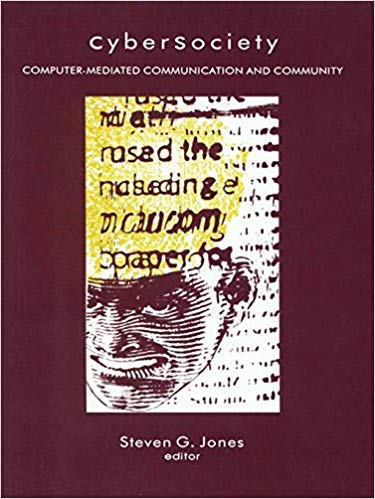
Steven Jones, 1994
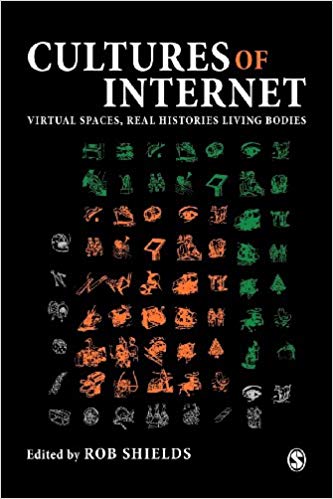
Robert M. Shields, 1995
Susan Leigh Star, 1995
1995-1997 : La naissance de la discipline (2 de 2)
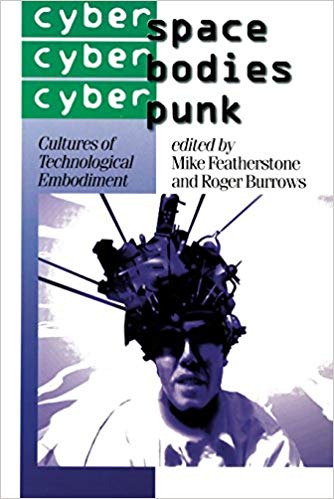
Mike Featherstone et Roger Burrows, 1996

Lynn Cherny et Elizabeth Reba Weisse, 1996
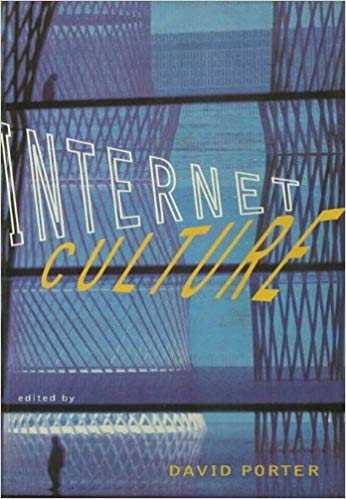
David Porter, 1997
Quelques enjeux
- Nouveaux médias, élargissement de la sphère publique et vie privée
- Identité(s) et culture numérique
- Droits d'auteur et droits du consommateur
Nouveaux médias, élargissement de la sphère publique et vie privée - 1
The ongoing digital revolution in present-day media technology represents an important new beginning in public life and is likely to have a fundamental influence on how individual, social groups, and society define themselves, how individuals come to know the world around them, and whether further generations succeed in sustaining an energetic public sphere and open market place of ideas.
Nouveaux médias, élargissement de la sphère publique et vie privée - 2
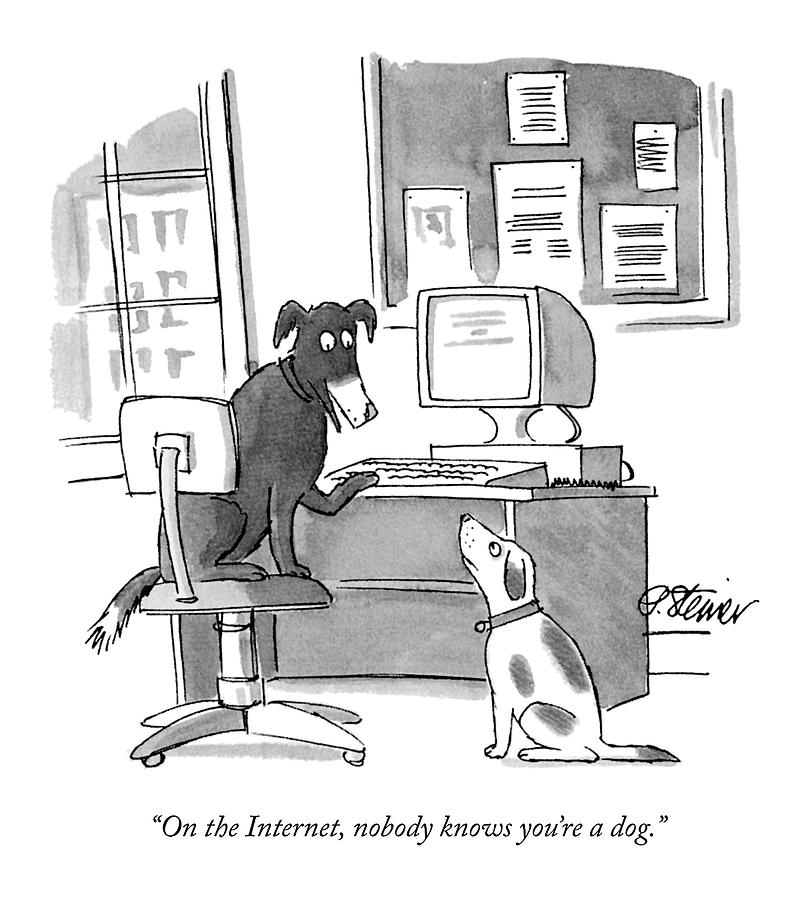
Peter Steiner, « On the Internet, nobody knows you're a dog », dans New Yorker, 5 juillet 1993.
Identité(s) et culture numérique
In a sense, the evolution of a pervasive graphical practice and culture on the Internet has come to resemble the visual culture of other media; finally there are enough producers of color and of colorful images on the Internet that one can legitimately speak of “black new media” just as one can speak of “black film,” “black art,” and “black theater.” In a sense, however, this merely signifies a repetition of the issues that plague the study of minority discourse in all visual cultures.
Droits d'auteur et droits du consommateur
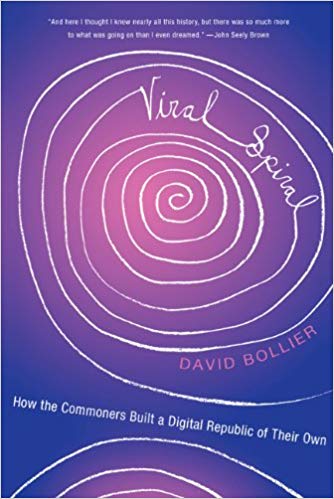
David Bollier, Viral Spiral: How the Commoners Built a Digital Republic of Their Own, The New Press, 2009.