Approches computationnelles de la culture
Quatre types de données ciblées
- Textes
- Attributs
- Relations
- Multimédias
Les données textuelles
Bibliothèque de l'OBVIL
HyperRoy
Exploitation des données textuelles - Voyant Tools
Exploitation des données textuelles - Text clustering : Docuscope
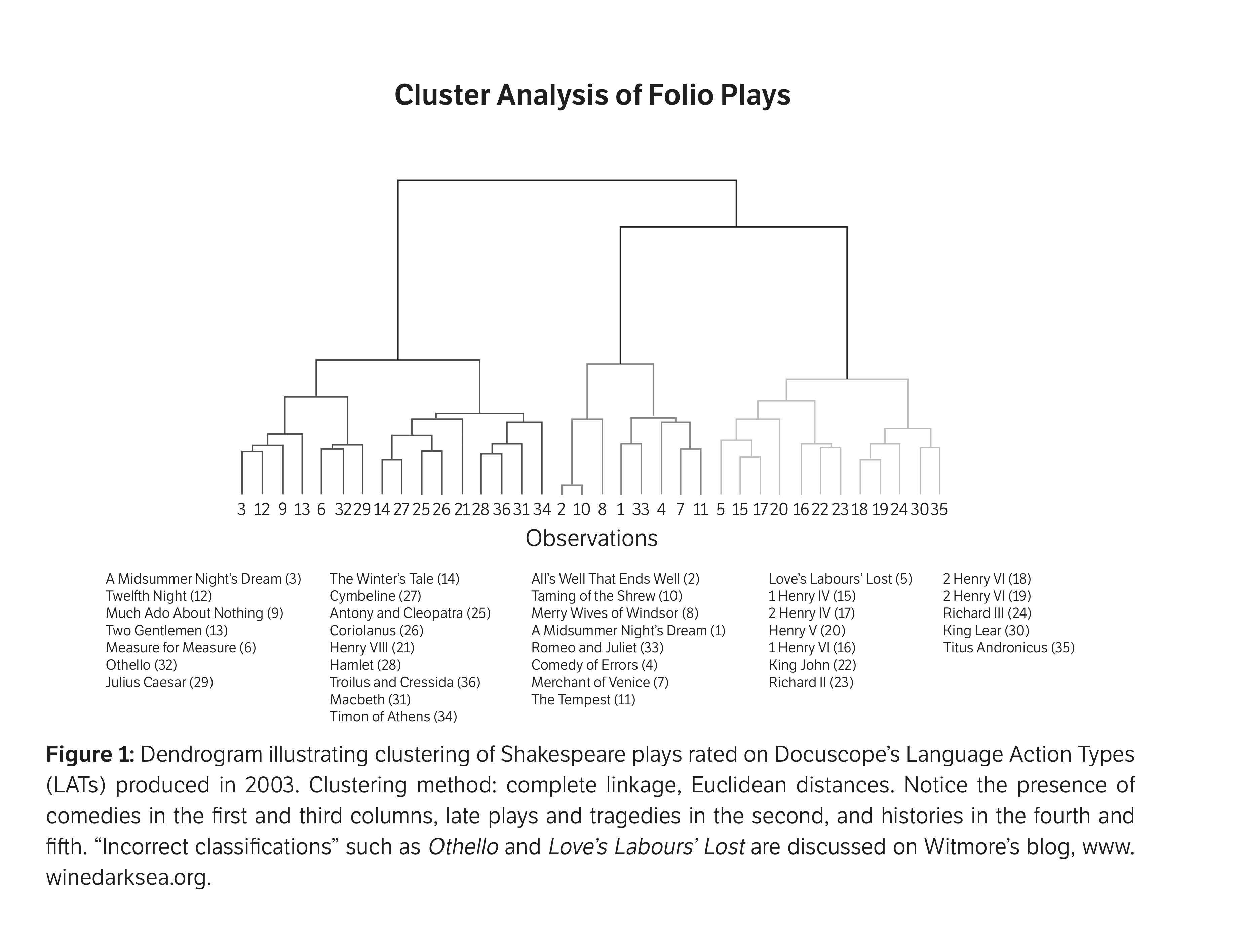
Franco Moretti et al., « Quantitative Formalism: An Experiment », dans Literary Lab Pamphlets, no 1 (15 janvier 2011).
Exploitation des données textuelles - Topic modeling
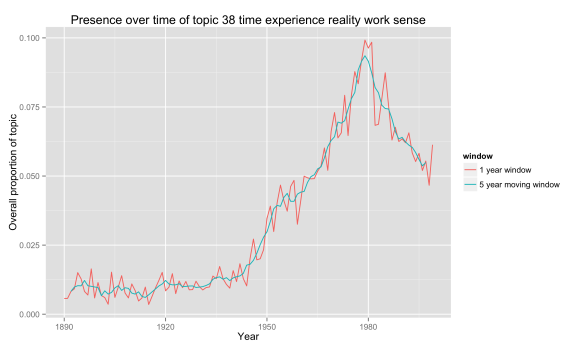
Andrew Goldstone et Ted Underwood, « What Can Topic Models of PMLA Teach Us About the History of Literary Scholarship? », dans Journal of Digital Humanities, 14 décembre 2012.
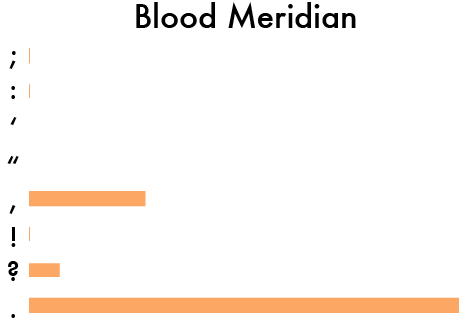
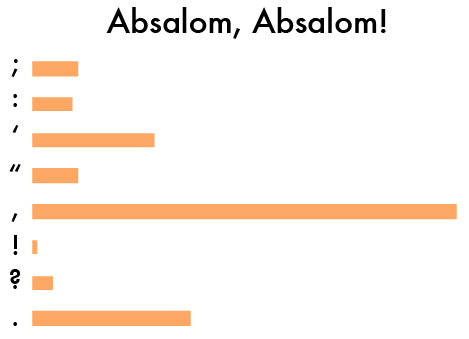
Exploitation des données textuelles - Analyse de ponctuation - Adam J. Calhoun (1)

Exploitation des données textuelles - Analyse de ponctuation - Adam J. Calhoun (2)
Les données attributives
Bases de données attributives et recherche sur la culture
- Catalogues et bases de dépouillements
- Bases de données prosopographiques
- Base de données du CIEL
- Base de données sur la Vie littéraire au Québec
La base de données sur la Vie littéraire au Québec
Exploitation des donnés attributives
- Analyse statistique et analyse factorielle des correspondances
- Cartographie et géolocalisation
Statistique et ACM

Le geospatial turn in the humanities
The expansion to the web, coupled with the availability of satellite imagery, data providers, and map APIS from Google to OpenLayers, took away the time-consuming aspect of having to acquire basemaps and learn abstruse software. It empowered an entire generation of mappers who were now able to create web maps with just a little bit of programming knowledge.
Todd Presner et David Sheppard, « Mapping the Geospatial Turn », dans Susan Schreibman et al. (dir.), A New Companion to Digital Humanities, Wiley-Blackwell, 2e édition, 2016, p. 204.
Mapping the Republic of letters
Artl@s - Géographie du marché de l'art parisien
Données relationnelles
Exploitation des données relationnelles (1) : l'analyse des réseaux sociaux
Le projet Épistolieres-17
Exploitation des données relationnelles (2) : réseaux de personnages
Analyse des réseaux et HN
Phenomena in the world of humanistic experience and also in the varied and complex discourse fields of aesthetic documents do not lend themselves to representation within bounded, carefully delimited parameters. The metrics used to weight or characterize humanities phenomena are more complex than single value systems can represent, so a network diagram that shows ““relations” among various nodes in a cultural system, among documents, authors, concepts, and so on, that is grounded in a single metric value for the edge‐node relations, is painfully reductive. Relationships, whether among human beings or humanistic concepts, are dynamic, fluid, flexible, and changeable.
Johanna Drucker, « Graphical Approaches to the Digital Humanities », dans Susan Schreibman et al. (dir.), A New Companion to Digital Humanities, Wiley-Blackwell, 2e édition, 2016, p. 247.
Données multimédias
Exploitation des données multimédias : Analyse audio automatisée
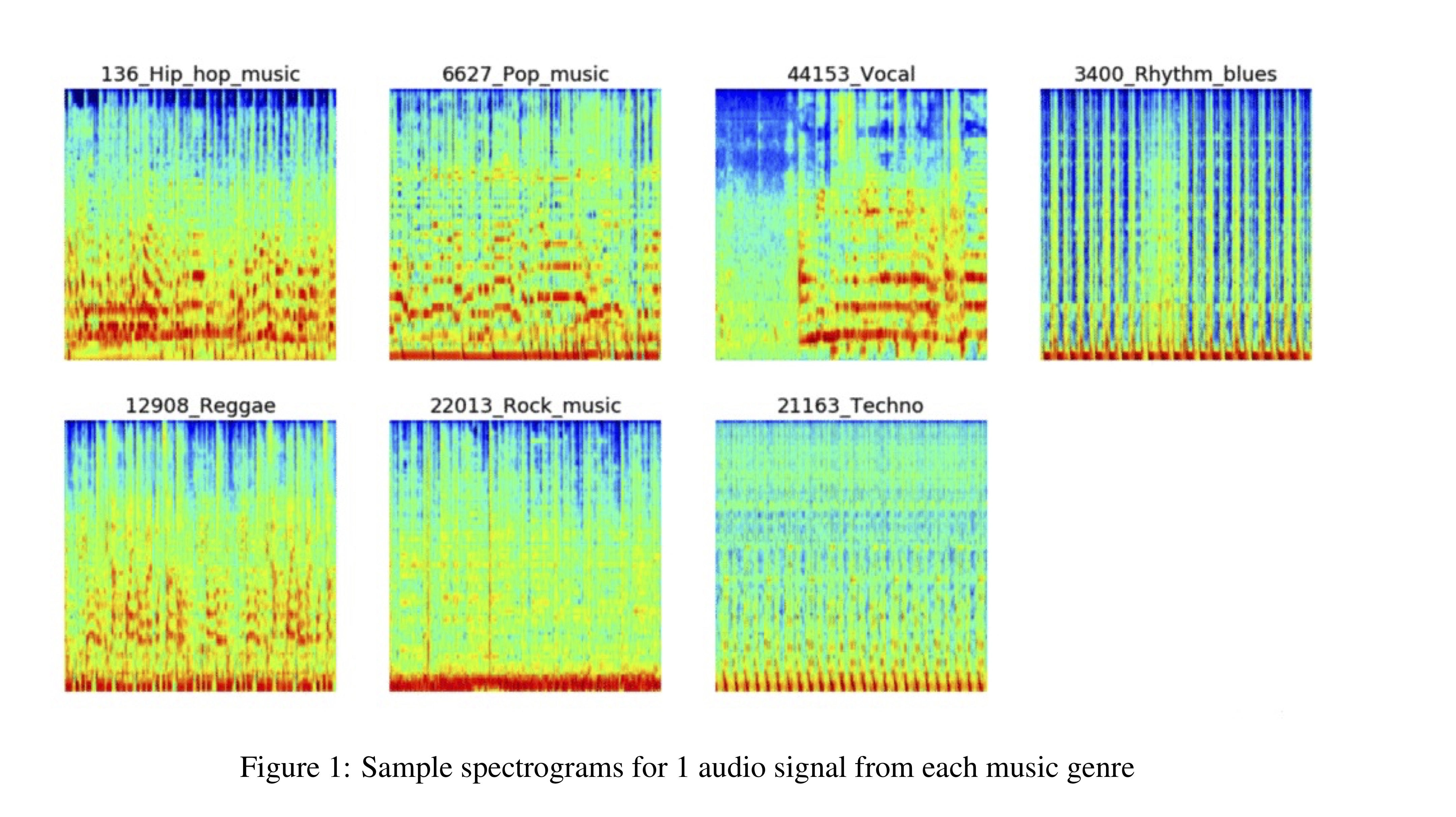
Hareesh Bahuleyan, « Music Genre Classification using Machine Learning Techniques », 2018.